
 Best Sellers
 Office Chairs under $299
 Ergonomic Chairs
 Executive Chairs
 Eames Replica Chairs
 Specialist Chairs & Stools
 Meeting Room & Visitor Chairs
 Gaming Chairs
 Bar Stools
 Cafe & Lunch Room Seating
 Reception Seating
 Soft Seating
 Booth Seating
 Ottomans/Modular Seating
 Training & Conference Chairs
 Best Sellers
 Standing Desks
 Office Desks
 Straight Desks
 Shared Desks
 Corner Desks
 Reception Desks
 Credenzas
 Mobile Drawers
 Tambours
 Cupboards & Bookshelves
 Filing Cabinets & Lockers
 Boardroom & Meeting Room Tables
 Bar Leaners
 Café & Lunch Room Tables
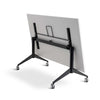 Flip Tables
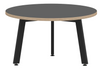 Coffee Tables
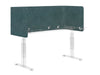 Desk Partitions
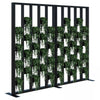 Partitions
 Monitor Arms
 Mats & Footrests
 Technology
 Desk Accessories
 Office Accessories
 White Boards
 Glassboards
 Flip Charts & Easels
 Outdoor Seating
 Outdoor Leaners
 Sun Loungers
 Acoustic Desk Accessories
 Ceiling & Wall Acoustics
 Freestanding Acoustics
 Acoustic Pods

Office Fitouts Auckland - Plan a Workspace for Growth
Most businesses don't realise their workspace is holding them back until it’s already too late. Desks crammed into corridors, meeting rooms booked out days in advance, storage that's overflowed into the hallway, it all creeps up gradually. Then one day, you're onboarding three new staff, and there's nowhere to put them.
Office fitouts in Auckland aren't just about making the place look good. They're about building a workspace that functions properly now and keeps functioning as the team grows.
From the first questions you need to answer to the office furniture decisions that will either serve you well or cost you later, we walk you through how to plan a proper workspace.
What Is an Office Fitout?
An office fitout is the process of designing, furnishing, and configuring a commercial workspace so it's ready to operate in. It goes well beyond buying a few desks and chairs.
A fitout typically covers:
-
Layout and space planning
-
Workstations, storage, seating, and meeting furniture
-
Breakout spaces and quiet zones
-
Acoustics, lighting, and traffic flow through the space
-
Branding elements, finishes, and colour
It's different from a basic furniture refresh. A refresh swaps out individual pieces. A fitout looks at how the whole space is planned and used, and whether that setup still makes sense for the business.
That distinction matters because buying furniture before planning the layout is one of the most common and expensive mistakes businesses make.
Why Auckland Businesses That Plan Their Fitout Well Perform Better
Layout directly affects how work gets done
When teams are poorly positioned relative to each other, simple coordination takes longer than it should. When there's no quiet space for focused work, concentrated tasks get pushed to early mornings or after hours. When storage is inadequate, time gets lost hunting for things that should be at hand.
None of this shows up on a spreadsheet, but it accumulates across every working day.
Staff growth changes what the space needs to do
A layout that worked well for eight people often starts breaking down at twelve. Not because it's badly designed, but because it was designed for a different headcount and a different mix of roles. An office fitout that doesn't account for where the business is heading tends to need revisiting sooner than anyone planned for.
Client impressions form fast
For businesses that bring clients into the office, the workspace is part of the pitch. A reception area that feels chaotic, a meeting room that's clearly been converted from a storage cupboard, or furniture that's visibly past its best—these things register.
A well-planned commercial workspace signals that the business is organised, professional, and worth working with.
Plan the Space Around How Your Business Actually Works

Before anyone looks at an office furniture product catalogue, the planning starts with your team.
How many people are using the space now? And, just as importantly, how many people do you expect in the next two or three years? Businesses that plan only for today's headcount often find themselves doing a full refurbishment again within 18 months.
Think about how different teams actually work day-to-day. Do your sales staff spend most of the day on calls? They need acoustic separation from the people doing heads-down focus work. Does your leadership team need private meeting space? Are there client-facing areas that need to look polished and professional the moment someone walks in?
These questions should shape your layout—not the other way around.
Common workspace zones to plan for:
-
Open-plan workstations for general collaborative work
-
Private or semi-private areas for focus tasks and sensitive conversations
-
Meeting rooms sized for how your team actually meets (a boardroom that seats 12 is useless if your average meeting has four people)
-
Breakout spaces for informal catch-ups, lunch, and decompression
-
Storage: consistently underplanned in most Auckland office fitout projects
One thing most planning guides skip over is traffic flow. How do people move through the space during the day? Where do queues form? Where does noise bleed into areas that need to be quiet? A well-thought-out layout reduces friction that most teams don't even notice until it's gone.
Choosing the Right Office Furniture That Works for the Long Term

Once you have a layout, the furniture decisions become a lot clearer. And that order matters.
Office furniture in Auckland should match three things: how the work is actually done, the physical space it needs to fit, and the budget available.
For most commercial workspaces, the priorities look something like this:
-
Desks and workstations: Consider whether your team needs fixed desks, hot-desking, or a mix. Height-adjustable standing desks are worth serious consideration here. The research on seated work over an eight-hour day is pretty clear, and a quality sit-stand desk is one of the better long-term investments in any fitout.
-
Ergonomic seating: A chair that's uncomfortable after two hours is a productivity problem, not just a comfort one. Ergonomic office chairs with proper lumbar support, adjustable armrests, and seat depth make a measurable difference to how people feel at the end of the day.
-
Meeting and collaboration furniture: Tables that seat the right number of people, chairs that can be moved around easily, and storage that keeps meeting rooms tidy.
-
Storage: Filing cabinets, mobile pedestals, lockers, and shelving. Most offices need more than they plan for.
The other thing worth thinking about is durability. Commercial furniture gets hard daily use. Spending slightly more on quality pieces from reputable manufacturers, particularly NZ-made where available, will nearly always be cheaper over five years than replacing cheaper furniture twice.
How to Balance Brand, Style, and Practical Function
A well-designed office does reflect your brand. Clients notice finishes, colour choices, and whether the space feels considered. Staff notice it too, as it signals that the business cares about the environment they're working in.
But style has to support function, not compete with it. A reception area that looks stunning but doesn't accommodate waiting clients properly isn't working. Meeting rooms with beautiful furniture but no acoustic treatment are frustrating. And open-plan spaces that prioritise visual openness without quiet zones create more distraction than collaboration.
When thinking about workplace design, start with the functional brief. Then layer in colour, finishes, and branding once the layout and furniture selections are locked in. That order keeps the project focused.
Budgeting for an Office Fitout Without Missing Important Costs
Office project planning budgets often miss things. The furniture cost is usually top of mind, but other line items can catch businesses off guard.
What to account for:
-
Furniture, delivery, and installation
-
Space planning, design, and any consultant fees
-
Accessories, such as cable management, monitor arms, task lighting, whiteboards, and pin boards
-
Acoustic panels or partitioning, if the layout needs it
-
Contingency—typically 10–15% of total project cost
Office furniture fitouts typically vary in cost depending on the space size, the number of workstations, and whether custom furniture is required. That’s why having a clear scope before approaching any supplier matters.
The short-term saving mindset is where most businesses come unstuck. Choosing cheaper seating to save budget, then replacing it in two years, rarely works out ahead of buying quality the first time.
Timeline Planning: When to Start and What to Expect
A common assumption is that an office fitout takes only a few weeks. For smaller projects with straightforward briefs and existing furniture, that can be true. For anything involving layout changes, custom furniture, or a full office refurbishment, the timeline is usually longer.
Expect the following to take time:
-
Space planning and design sign-off (Up to 4 weeks for most projects)
-
Furniture lead times, which vary by manufacturer and product type
-
Installation of supplied and custom furniture (no construction or building work)
-
Staff transition and handover
Starting the planning process earlier than feels necessary is almost always the right call. Late decisions, especially on furniture lead times, are one of the most common causes of project delays.
When to Work With an Office Fitout Company in Auckland
For smaller projects like a home office setup or a simple furniture refresh for a small team, most businesses can manage the process themselves with the right supplier support.
For larger or more complex projects, working with an office fitout company with experience in workspace planning makes a real difference. They'll help you avoid layout mistakes before they're committed to a floor plan, manage supplier and installation coordination, and ensure the finished space actually matches the brief.
Hurdleys works with businesses across Auckland and New Zealand on fitout projects of all sizes, from outfitting a single home office to specifying furniture for full commercial workspace builds. If you're planning a fitout and want to talk through options before committing to anything, our team can help with space planning, product selection, and project coordination.
Common Office Fitout Mistakes to Avoid
A few patterns come up repeatedly in fitout projects that don't go to plan:
-
Planning for today's headcount only. If you're a team of 12 now but expect 20 within two years, the layout and office furniture need to accommodate that growth. Modular furniture and flexible workstation setups help here.
-
Choosing furniture before the layout is confirmed. It seems obvious, but it happens regularly. Furniture that looked right in a showroom can completely misfit the space it lands in.
-
Underestimating storage. Teams consistently need more storage than they plan for. Build in more than you think you need.
-
Ignoring acoustics. Open-plan offices without acoustic treatment are among the most common sources of staff frustration. Acoustic panels, soft furnishings, and partitioning aren't luxuries in most commercial workspaces.
-
Over-indexing on aesthetics. A beautiful office that doesn't function well for daily work is a problem. Style and function aren't mutually exclusive, but function has to lead.
FAQs About Office Fitouts Auckland Businesses Plan
What is included in an office fitout?
Typically: layout planning, furniture specification and supply, storage, meeting furniture, and often acoustic or partitioning elements. The scope varies depending on whether you're doing a full office refurbishment or a targeted furniture upgrade.
How long do office fitouts usually take?
Depending on the job, office fitouts can be completed anywhere from a week to three weeks.
When should I hire an office fitout company?
If the project involves more than straightforward furniture replacement, it's worth involving a specialist early. From making layout changes to creating multiple work zones to accommodate a growing team, early engagement reduces costly late-stage changes.
What furniture should I prioritise first in an office fitout?
Seating and workstations first, always. These have the biggest daily impact on how staff feel and perform. Storage and meeting furniture come next.
How do I plan office fitouts that Auckland teams can grow into?
Choose flexible, modular furniture systems where possible. Plan your layout with expansion in mind. Even if those desks sit empty for now, the floorplan should accommodate them. And build more storage than you think you'll need.
Let Hurdleys Plan Your Auckland Office Fitout
A workspace that supports growth doesn't happen by accident. It starts with understanding how your team works, planning the layout before any furniture is ordered, and making decisions that account for where the business is heading, not just where it is today. Get those fundamentals right, and everything else, the furniture choices, the budget, the timeline, falls into place more easily.
If you're at the early stages of planning an office fitout in Auckland, Hurdleys can help. We stock a wide range of ergonomic office furniture, desks, storage, and meeting solutions from quality NZ and international manufacturers, and our team knows how to spec a space that works properly from day one.
Get in touch with our team to talk through your project.